
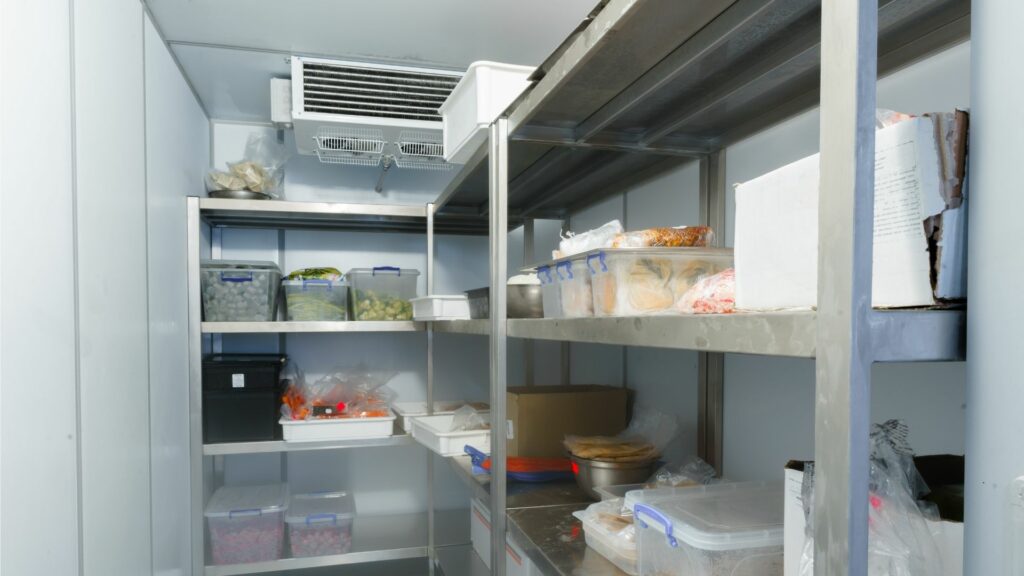
Running a restaurant or catering business requires a high-quality food refrigeration system. You should find the ideal solution to extend your inventory’s shelf life. Installing a walk-in refrigerator helps by providing enough space to store food safely.
Walk-in freezers are large and important purchases for restaurateurs and store owners alike. This machinery is expensive and should be carefully evaluated before choosing the right one.
Here’s what to weigh up before choosing a walk-in freezer or fridge.
Kitchen Applications
The main purpose of walk-in freezers is to freeze raw and cooked food for daily production and inventory preservation. Freezers typically run between minus 15 and minus 23 degrees Celsius, while walk-in fridges sit around 1 to 4 degrees Celsius, so the right choice depends on whether you’re storing frozen stock, chilling fresh produce, or both. Many commercial kitchens run one of each, or a combination unit split into separate compartments.
Customising
Walk-in freezers are manufactured in standard sizes but can be customised for stores and kitchens. You can place them inside or outside the building, with or without floors, and they may use in-place or remote condensers. Custom builds also let you factor in door placement, shelving layout, and whether you need a pass-through design for high-traffic kitchens.
Unique Features and Technology
An air circulation system allows walk-in refrigerators to draw in cold outside air when the exterior temperature is colder than the interior’s, which helps reduce compressor workload. The pressure relief valve is also designed to eliminate the slight vacuum created when warm air enters a walk-in, which makes it difficult for a person to open the unit shortly after the door has been closed. Some newer models also include digital temperature monitoring and alarm systems, which make it easier to catch a fault before stock is affected.
Maintenance
Walk-in refrigeration systems need proper airflow, ventilated areas, and regular cleaning of condenser coils by a professional. Most commercial kitchens should have coils checked every three to six months, more often in busy or greasy environments like fry stations. Walk-in refrigerator exteriors are made of stainless steel, which is easy to maintain. Compressors or condensing units are easily accessible, and multiple remote units should be combined for maintenance and service purposes.
Space
It’s important to measure the size of the room before buying your walk-in refrigerator. As a general guide, leave at least 150mm of clearance around the unit for airflow and servicing access. Ensure there’s enough space to move around so the refrigerator is always easy to access, especially during busy service periods when staff are constantly coming and going.
Safety
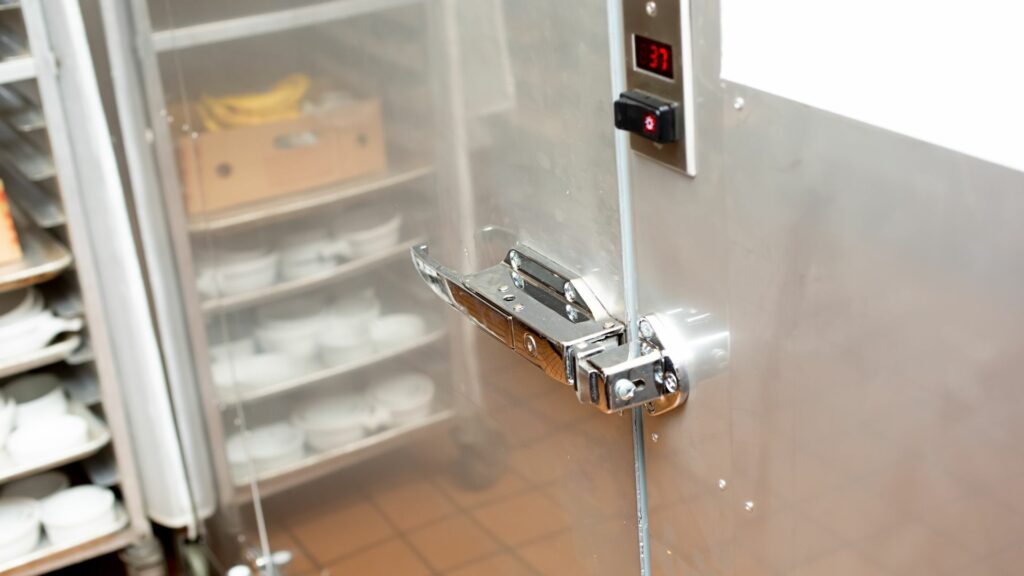
The freezer room will keep all the food safe until you are ready to cook it. That’s why you don’t have to worry about your inventory going bad before use. It’s also worth checking that the door release mechanisms and internal lighting work properly, since walk-in units should always be able to be opened from the inside.
Getting the Right Walk-In Freezer for Your Kitchen
Choosing the right walk-in freezer or fridge comes down to matching the unit to how your kitchen actually operates, not just picking the biggest option available. Get the sizing, placement, and features right from the start, and keep up with regular maintenance, and a walk-in unit will protect your inventory and keep your kitchen running smoothly for years to come. If you’re unsure which setup suits your business, it’s worth getting advice from a refrigeration specialist before you commit to a purchase.
If you need servicing, repairs, or advice on choosing the right unit, get in touch with our commercial refrigeration team in Sydney.
Walk-In Freezer FAQs
How often should condenser coils be cleaned?
Every three to six months for most commercial kitchens, though high-grease environments may need it more frequently.
What’s the difference between a walk-in fridge and a walk-in freezer?
A fridge typically runs between 1 and 4 degrees Celsius for fresh produce and dairy, while a freezer runs between minus 15 and minus 23 degrees Celsius for frozen stock.
How long do walk-in refrigeration units typically last?
With regular servicing, most commercial units last 10 to 15 years before major components need replacing.