
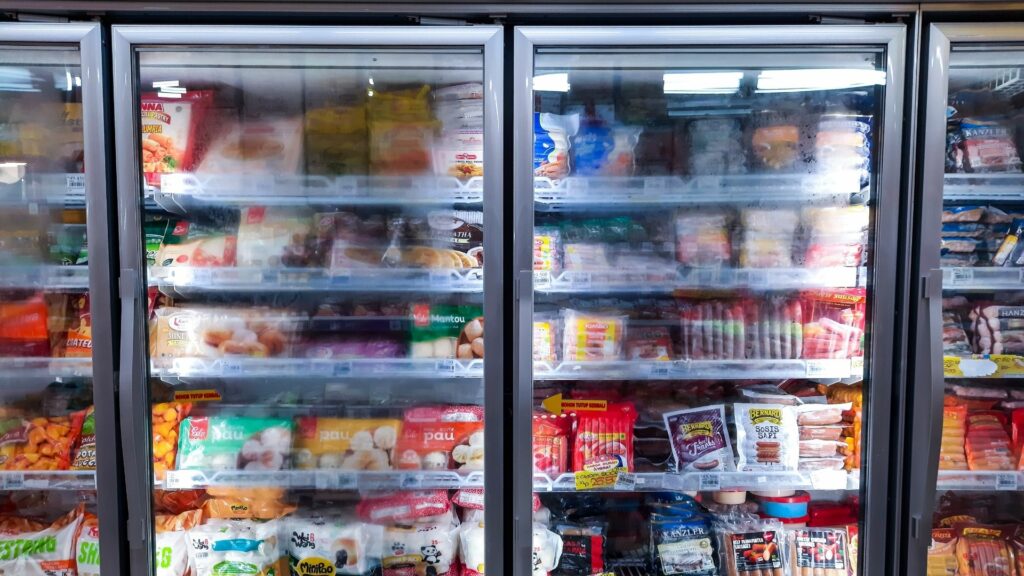
Ask most kitchen staff if the fridge is working, and they’ll tell you yes: it’s cold, the light’s on, nothing’s beeping. That’s not the same as asking whether it’s holding the right temperature, and the gap between those two things is where a lot of food safety issues start.
Commercial fridges need to sit between 2°C and 6°C. Below that and you start freezing things that shouldn’t freeze; dairy in particular- milk and cream go grainy or separate once thawed. Above 6°C and bacteria get the head start they need, sometimes spoiling high-risk stock like raw seafood or cooked meat within hours rather than days.
It’s Not Just About the Number
A blanket 2°C to 6°C range is the starting point, not the whole answer. Leafy greens can suffer cold damage well above freezing, whereas a whole cut of meat holds its temperature far longer than a sauce sitting in a shallow tray. And anything held below 2°C needs a forced defrost cycle running; otherwise, ice builds up on the coils and drags the whole unit’s efficiency down over time.
| Temperature | What’s Happening |
|---|---|
| Below 2°C | Dairy and cold-sensitive stock starts freezing |
| 2°C to 6°C | Standard safe range for commercial fridges |
| Above 6°C | Bacterial growth speeds up, spoilage risk climbs |
| Below -18°C | Standard freezer range, growth stops entirely |
Three Things That Throw the Reading Off
You just adjusted the thermostat. Fridges don’t hit a new setting instantly, and bigger units can take most of a day to stabilise. Wait a full day before trusting the number, and don’t load fresh stock in before then.
Someone just had the door open. This is the one that catches most kitchens out. The thermostat usually sits near the door, so it picks up a rush of warm air and shows a false high reading for a few minutes. Give it ten minutes with the door shut before you check again; otherwise, you’ll chase a problem that was never really there.
The door seal’s worn out. A tired seal lets warm air leak in constantly, which means the compressor never actually stops working to compensate. It shows up as a higher power bill well before it shows up as a food safety complaint, so it’s worth a look periodically even if nothing seems wrong.
The Habit That Fixes Most of This
Genuinely, the single biggest cause of temperature problems in commercial kitchens isn’t a faulty unit, it’s leaving the door open or not closing it properly during service. Get staff into the habit of checking doors and drawers are fully shut, especially during a rush when nobody’s paying attention, and most of the issues above stop being issues at all.
If a unit’s still running warm after all that, or a reading won’t settle no matter how long you wait, that’s when it’s worth calling someone in rather than adjusting the dial again and hoping.
Get in touch with our refrigeration repairs team in Sydney if something’s not adding up.