
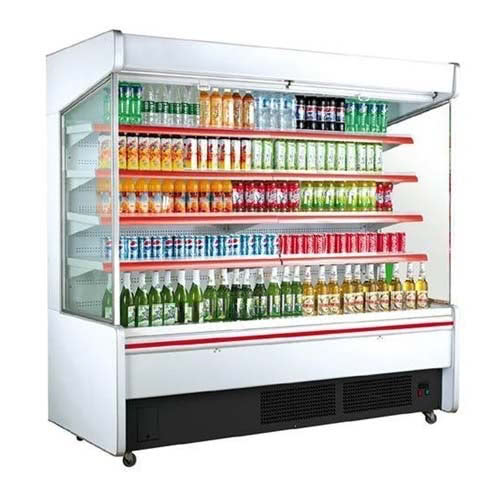
Refrigerators and freezers are essential for keeping food safe in any commercial kitchen in Sydney. Most commercial refrigeration equipment can last for many years; however, at some point, you will need to inspect your old appliance and replace it if needed.
In today’s blog, we want to help you understand when to buy a new industrial refrigeration unit and how to extend the lifespan of your fridge or freezer after replacing the old one.
Signs It Is Time For A New Fridge Or Freezer
1. Any Abnormal Sounds or Noises?
If your fridge or freezer has started making loud rattling or humming noises it didn’t used to make, that’s worth paying attention to. It doesn’t always mean the unit is done for, but it’s a sign that something isn’t right, and it’s worth getting a technician to take a look before it gets worse.
A lot of the time, excess noise comes down to maintenance. Dirty compressor coils, dust buildup around the unit, or a partially blocked compressor fan can all force the system to work harder than it needs to. That extra strain doesn’t just cause noise; it also shortens the unit’s lifespan. Regular cleaning and keeping the airflow around the compressor clear goes a long way.
2. Food Isn’t Staying Cold Enough
Commercial fridges should hold between 2 and 4 degrees Celsius, and commercial freezers between -20 and -17 degrees Celsius. If your unit is struggling to maintain those ranges, you’re looking at stock loss and wasted money, and it’s usually a sign the unit needs replacing rather than repairing.
Where you install the new one matters just as much. Keep it on a level surface, well away from heat-generating equipment like ovens and deep fryers.
High ambient temperatures can cause the coils to malfunction, pushing internal temperatures up and putting your stock at risk. Dusty or humid spots are just as bad for compressors, which is especially important to be mindful of in Australia, where summer temperatures can push commercial kitchens well beyond comfortable operating conditions.
3. Your Unit Looks Damaged on the Inside
When it comes to refrigeration equipment, appearance is important. If your unit looks quite damaged, it’s probably time to replace There are also some visible signs that your unit is past the point of repair:
- Hinges are pulling away from the cabinet
- Cracked seams or welds
- Exposed insulation
- Worn or deteriorating gaskets
On that last point, it’s worth checking whether the door is closing and sealing properly in general. Even if the gasket looks fine, air leaking out of a commercial fridge or freezer forces the compressor to work overtime. That means higher power bills and a greater risk of food spoilage.
4. The Floor of the Unit is Rotten
It might not be the first thing you think to check, but it’s surprisingly common for the floors inside commercial fridges and freezers to rot over time. Spills happen every day as staff move stock in and out, and if liquid seeps into corners or cracks unnoticed, the damage builds up quickly. Make sure your team regularly checks and cleans the floor of each unit. If the base is starting to warp or feel soft, that unit is done. Don’t try to salvage it, just replace it.
5. Power Bills Are Rising
If your commercial fridge or freezer is ten years old or more, it might still be running, but it’s almost certainly costing you more than it should. Older units draw more power, and once they’re out of warranty, repair costs start adding up fast. At some point, you’re spending more keeping the old one alive than a replacement would cost. A newer model will be significantly more energy efficient, cheaper to run, and far less likely to break down when you need it most.
Need Help Choosing a Replacement?
If your commercial fridge or freezer is showing any of the signs above, it’s worth getting a professional opinion before it costs you more in wasted stock and repairs. At JDR Group, we supply and install commercial refrigeration systems for restaurants, cafes, supermarkets, cold storage facilities, and food processing plants across Sydney. Our technicians are available 24/7 for emergency repairs, and we offer ongoing maintenance to catch problems early and keep your units running longer.
Give us a call on 0404 840 296 or visit our services page to find out how we can help.