
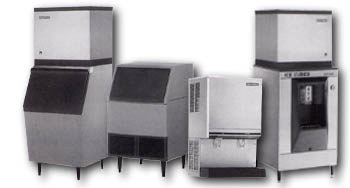
Many things can cause problems with your commercial ice machine. Most of the issues revolve around the water flowing through the machine to make it work efficiently. Problems may occur when water doesn’t function correctly or water deposits build up on parts. We’ll walk you through a few of these issues below.
Common Problems You Might Experience With Your Ice Machines:
- Water leaking into the machine – This sometimes happens when there’s a leaky valve. It results in large cubes that block up the system. It might be worth inspecting your ice machine for loose connections and bad clips.
- The room is too warm – When using an air-cooled machine, you depend on the optimum temperature to produce ice. The higher the temperature is, the more the machine has to work and the less ice you will get. If the room is too warm for a long time, you might experience frequent breakdowns.
- The water temperature is too high – Unfortunately, this problem often makes the ice machine slow down or even shut off entirely.
- Low water flow – If you’ve got a low flow of water, you will get uneven or small cubes. There might be a stoppage in the line or something else blocking the system. Check the water flow from your plumbing and remove any blockages from the hose or your filter.
Factors to Consider Before Buying
Selecting the perfect commercial ice machine is a critical decision for businesses, impacting their ability to meet the demand for refreshing beverages and chilled displays. JDR Group, a trusted authority in commercial refrigeration, offers an in-depth guide to help you make an informed choice. Explore the factors to consider and gain insights into ensuring your ice machine aligns with your business needs.
- Estimating Ice Needs: Accurately assess the daily ice requirements for your business. Add an extra 50 kg of production to ensure a consistent ice supply. This proactive approach prevents running out of ice during peak times.
- Ice Style Considerations: Determine your preferred ice style based on usage. Whether for beverages, salad bars, or fish markets, different ice styles (flake, nugget, cubes, crescent) suit varying needs. Ensure compatibility with your business requirements before making a purchase.
- Measurements Matter: Measure the available space for your ice machine. Most units are 22 or 30 inches wide, requiring additional clearance of six to 8 inches on the sides and in the back. Adequate space ensures optimal performance and ice production.
- Embracing Energy Conservation: Opt for an Energy Star-qualified ice machine to reduce operating costs and minimize environmental impact. Energy-efficient models save on electricity bills and contribute to sustainable business practices.
Things to Consider While Shopping
- Types of Ice You Require: Ascertain the kind of ice your business needs—flake, gourmet, nugget, cubes, etc. Choose a machine that aligns with your specific ice requirements.
- Energy Efficiency: Prioritize energy-efficient machines to optimize power usage. Look for units with Energy Star seals to ensure they meet energy efficiency standards and help reduce long-term operating costs.
- Compressor Considerations: Choose between air-cooled, remote-cooled, or water-cooled compressors based on your kitchen’s requirements and considerations, such as noise levels, installation costs, and water consumption.
- Water Filter Inclusion: Opt for a machine equipped with a water filter to eliminate contaminants and maintain beverage flavour. Water filters also contribute to energy cost savings by preventing mineral buildup.
- Size and Capacity Assessment: Assess the available kitchen space in relation to the desired ice storage capacity. Select modular ice machines for large ice volumes, ensuring optimal productivity.
- Speed and Production Rates: Consider ice makers with high production rates to meet peak-hour demand. Check specifications for 24-hour ice production volume to ensure it aligns with your business needs.
Contact us with any ice machine-related questions
JDR Group, with its expertise in installations, repairs, and maintenance, is your reliable partner in Sydney. If you have any questions regarding your commercial ice machine, please contact us on 0404 840 296.